
The Energies of Winter – Bladder Meridian
 The bladder meridian is the longest meridian in the body. It runs the entire length of the spine and has two parallel trajectories on either side of the spine. The bladder meridian runs through all the other meridians and so has an influence on them. This meridian begins in the inner corner of the eye and runs over the top of the head, down the neck and back into the sacrum. It then goes down the back of the legs into the feet ending in the small toe.
The bladder meridian partners with the kidney meridian and plays a role in controlling fluid transformation and excretion, but because of its location and association with the kidney It exerts a powerful influence on the body. The kidney meridian stores one of our deepest levels of energy, and weakness in the kidneys can be treated through bladder acupoints.
The points on the bladder meridian are excellent for treating neck pain and any type of back pain. The emotion associated with the kidney is fear. Imbalance in the kidney and bladder meridians will create both physical and psychological symptoms. When there is bladder imbalance, emotions of suspicion, jealousy and the inability to let go of grudges may occur.
The back reacts to emotional stress basically the same way it reacts to physical stress by becoming tight. “In short back tension is putting your problems behind you. With chronic back pain or tension, whatever the cause, there are likely to be some powerful suppressed feelings. For example, after a back injury, there may be fear and anger about the pain or disability.”
——Iona Teeguarden, The Joy of Feeling
Having your energy balanced by a licensed bodywork therapist can help release both chronic and acute tight muscles. Staying hydrated, stretching, exercise and rest help support the bladder meridian.
 During the season of winter, the energies of nature are pulled back down into the earth. Trees lose their leaves, flowers, and shrubs cease growing and go dormant. Many animals hibernate to conserve their energy when the abundance of food in nature is reduced.
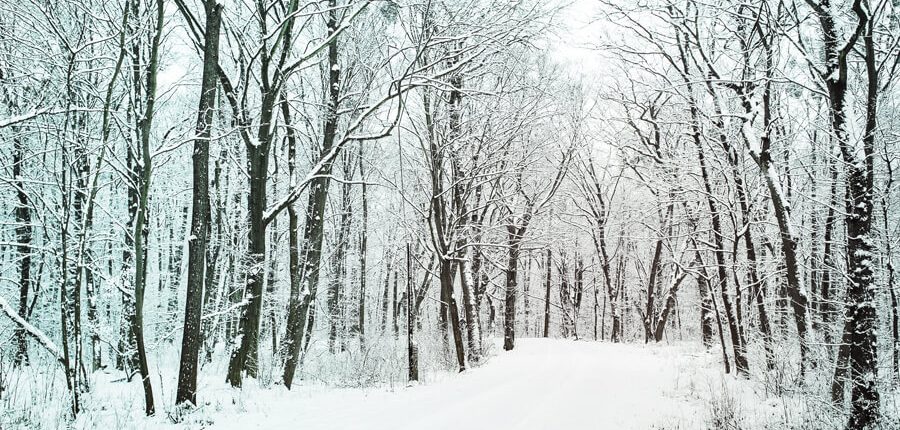 The ancient Chinese believed that living in harmony with the seasons of nature could prevent disease and promote health. Winter is the most yin season when the flow of energy is cold, damp, slow and inward. The days are shorter, and darkness comes early.
 In autumn comes the end of the growing season. The abundant energy and growth of summer is gone and the energy of the earth turns inward. The leaves fall and enrich the soil, getting it ready for next year’s harvest.
 In ancient China and Japan peopled structured their lives to live in harmony with nature; their practices and eating habits changed with the change of seasons. Living as part of the natural world, they maintained balance and optimal health.
 Now that the weather has finally changed it’s time to prepare for autumn. In nature, the energies begin to pull back and go deeper into the trees, shrubs, and earth. In our bodies, our vital energies also begin to circulate deeper into our organs to protect us from the cold.
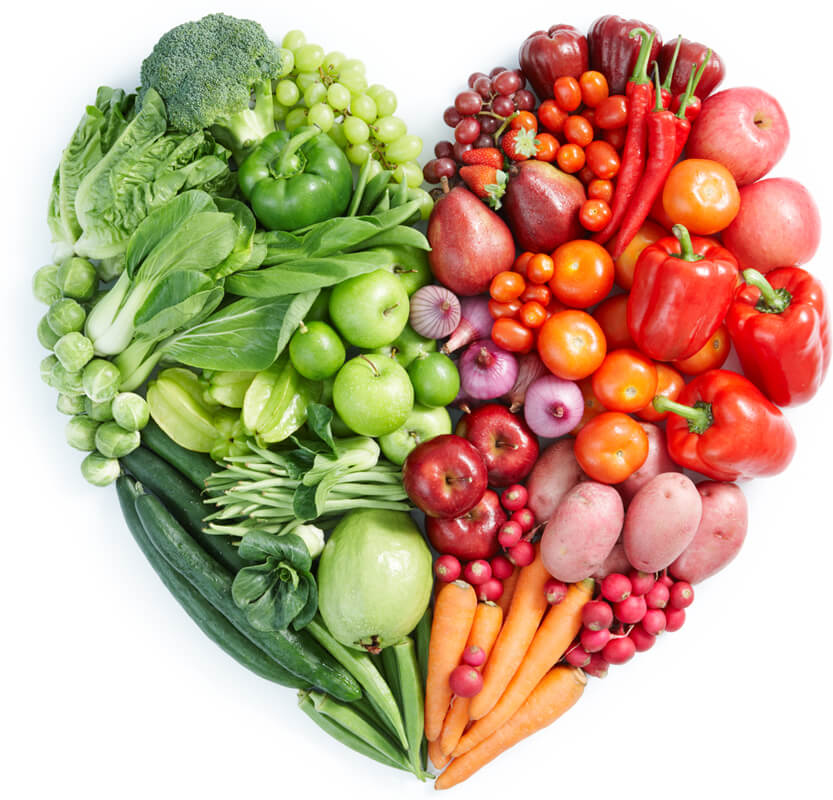 The ancient Chinese believed that to be healthy we should align our energies with those of the current season. Indian Summer (late August till September) is harvest time in nature when there is great abundance. It is a time to gather and distribute the bounty of the earth.
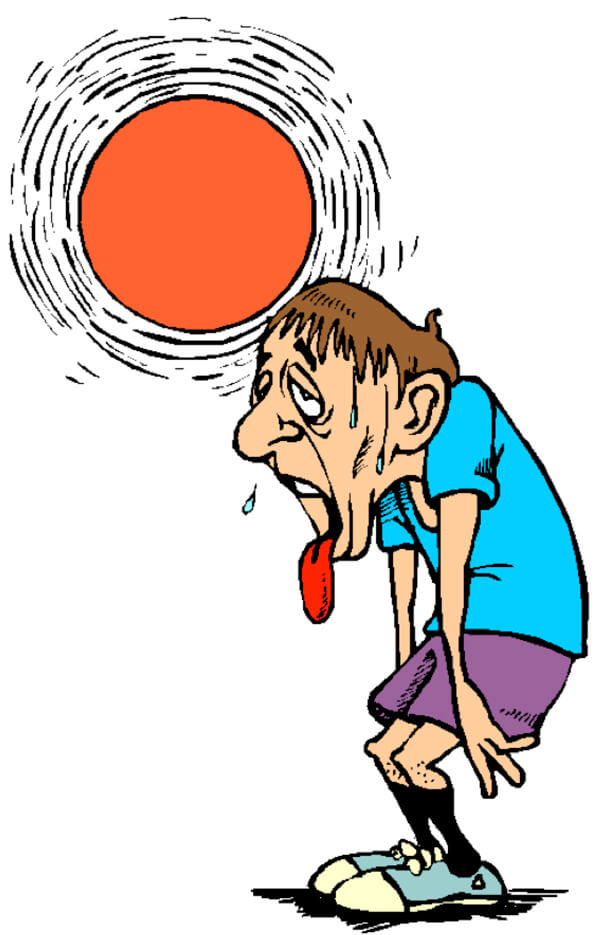 The heat waves we’ve been experiencing these last few weeks can cause us problems unless we plan our outdoor activities carefully. Heat exhaustion can drain your energy, create dehydration and physical exhaustion. Those most easily affected are people over 65, children under 4 years old, people who are ill, obese, or those taking medication.
 The weather in late summer is usually hotter and heavier with humidity than the rest of the season. Dampness is associated with the earth element which is most active this time of year. Late summer is a time for slowing down and gathering in. The earth element gives us the ability to nourish and care for ourselves.
 Summer is the most energetically active of all the seasons with expansion, growth, and activity. It represents the fire element which is associated with the heart and small intestine. The color is red, the emotion is joy and it is a time to bring to manifestation all that we have been planning during the spring.